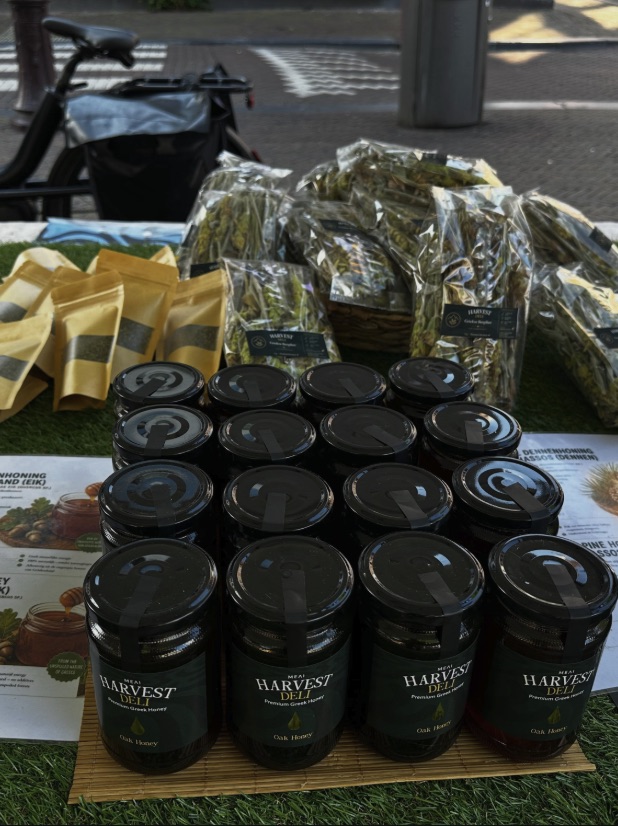
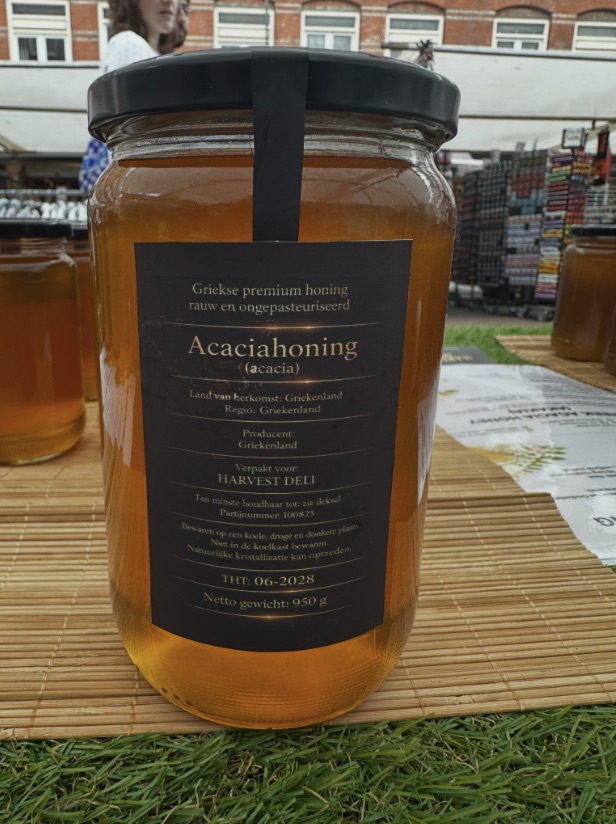
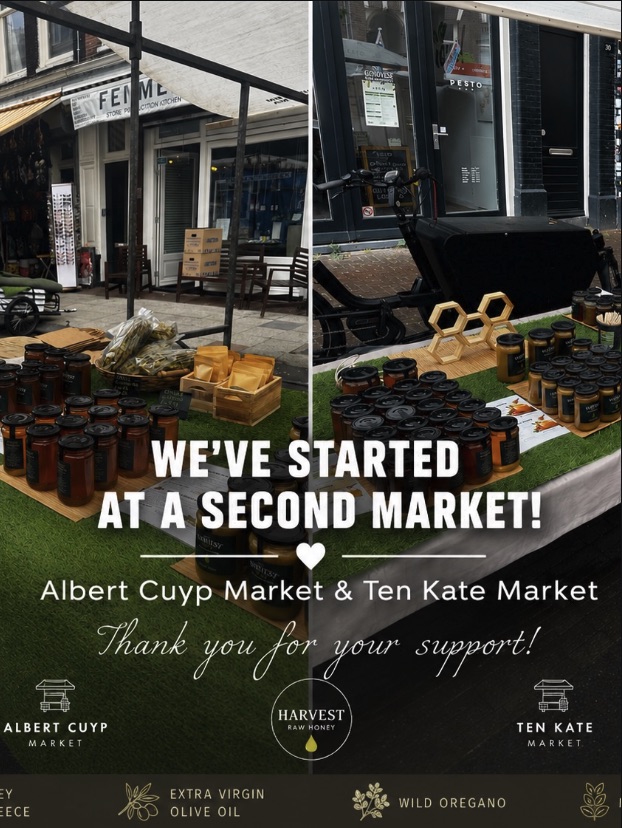
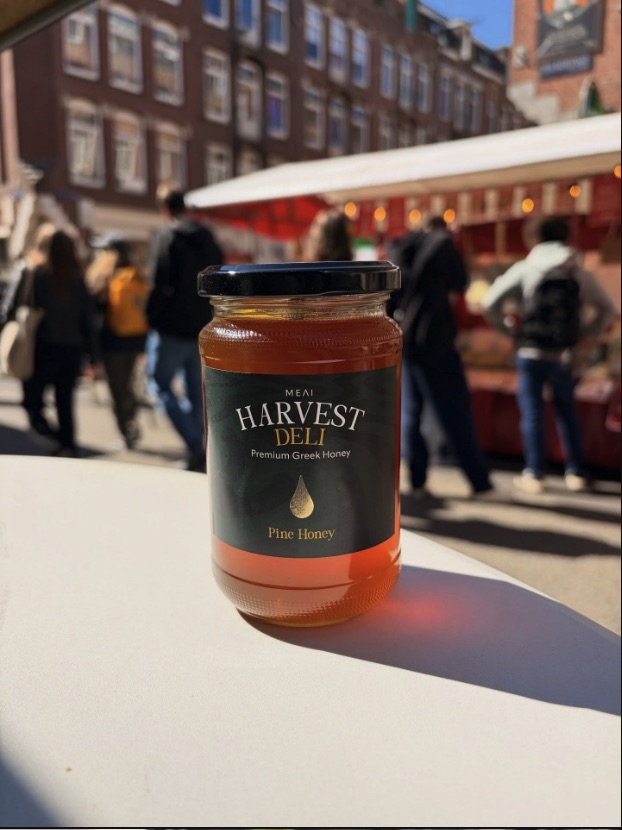
Born in the quiet hills of Northern Greece.
A thousand hives stand across the limestone ridges of the Greek mountains. Wild thyme, heather and arbutus bloom in a single, untranslatable season. The honey is shaped by this land, and by nothing else.
A practice refined by time, not technology.
Wild Harvest
Combs gathered by hand from hives set high among untended wildflowers, never near a road, never near a field.
Cold Extraction
Spun slowly at the temperature of the cellar, never heated. Every enzyme and trace of pollen is left intact.
Natural Resting
Settled for fourteen quiet days in oak. Nothing forced, nothing filtered, the texture left fully alive.
The Honey Journal

Taste the Greek sun.
What the Greek sun actually tastes like, and how to read a single jar slowly, in three movements.
Read the essay
Why Greek honey tastes unlike supermarket honey.
Mountain flowers, raw extraction and small batches: the quiet reasons one spoon lingers and another does not.
Read the essay
Where to buy real Greek honey in the Netherlands.
How to tell single-estate mountain honey from the supermarket shelf, and where to find it in Amsterdam.
Read the essayCold pressed,
without compromise.
Harvested by hand in the Greek mountains.
Pressed within hours of harvest.
Unfiltered.Unrushed.Untouched.